The pictures below are some visual representations of how we met the Overall and Specific Expectations of the Kindergarten Program under the Self-Regulation and Well-Being frame

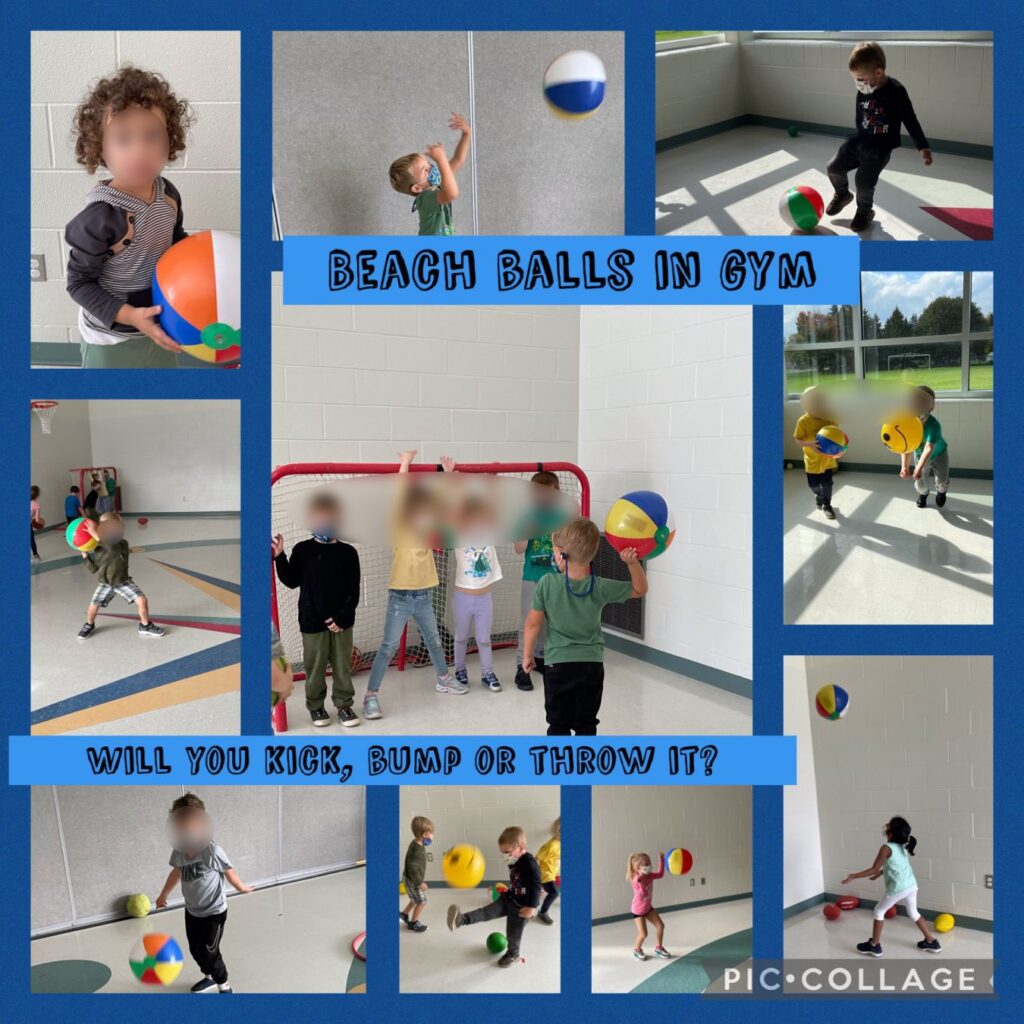
4.0 demonstrate an ability to use problem-solving skills in a variety of contexts, including social contexts
6.0 demonstrate an awareness of their own health and well-being
7.0 participate actively and regularly in a variety of activities that require the application of movement concepts
8.0 develop movement skills and concepts as they use their growing bodies to move in a variety of ways and in a variety of contexts
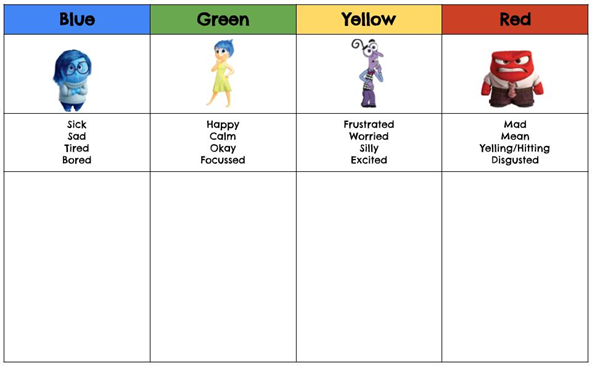
2.4 demonstrate self-control (e.g., be aware of and label their own emotions; accept help to calm down; calm themselves down after being upset) and adapt behaviour to different contexts within the school environment (e.g., follow routines and rules in the classroom, gym, library, playground)
2.5 develop empathy for others, and acknowledge and respond to each other’s feelings (e.g., tell an adult when another child is hurt/sick/upset; have an imaginary conversation with a tree or an insect; role-play emotions with dolls and puppets)
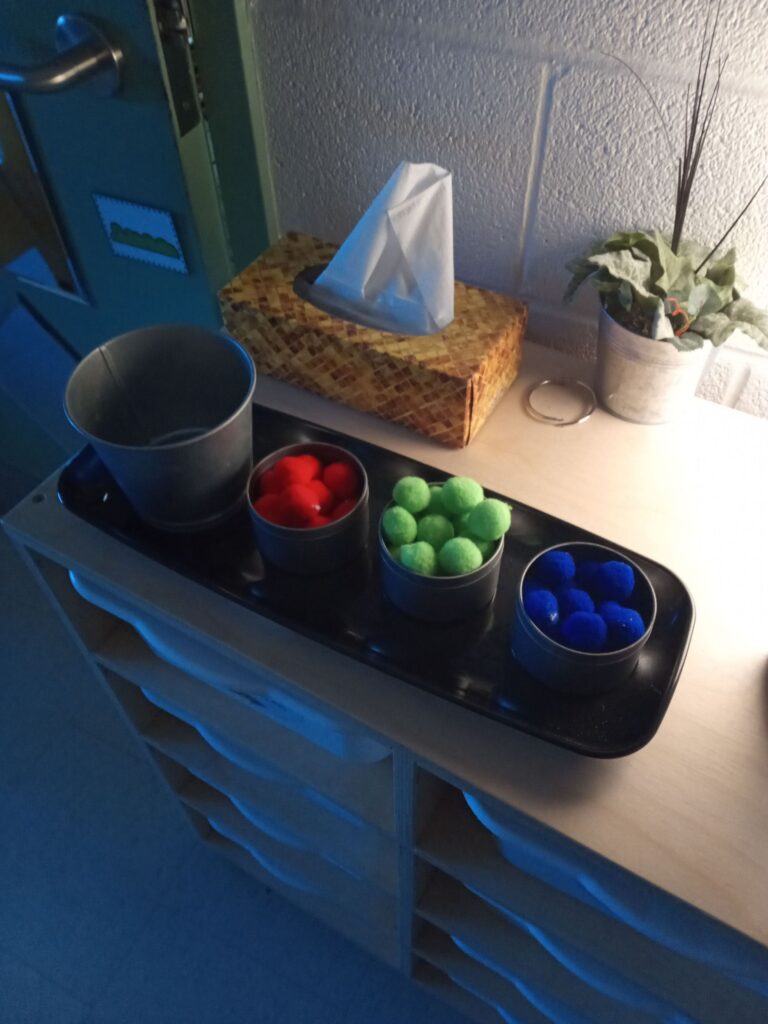

Once our students had developed a framework for identifying and understanding their emotions, as well as listening to others express themselves, our feelings check-in became a daily task via pom poms. We also incorporated meditation strategies to try and help our students with strategies for coping with big feelings.